
 By
By The 2001 outbreak remains a painful memory for many British farming communities. Huge numbers of livestock were lost, and the countryside came to a standstill. But what exactly caused this devastation?
If you have ever asked, “what is foot and mouth disease”, you are not alone. Understanding this highly contagious condition is vital for anyone keeping livestock in the UK.
This guide explains everything you need to know about the illness. We will cover the main causes, how to spot the early signs, and the strict rules the UK follows to prevent another crisis.
What is foot and mouth disease?
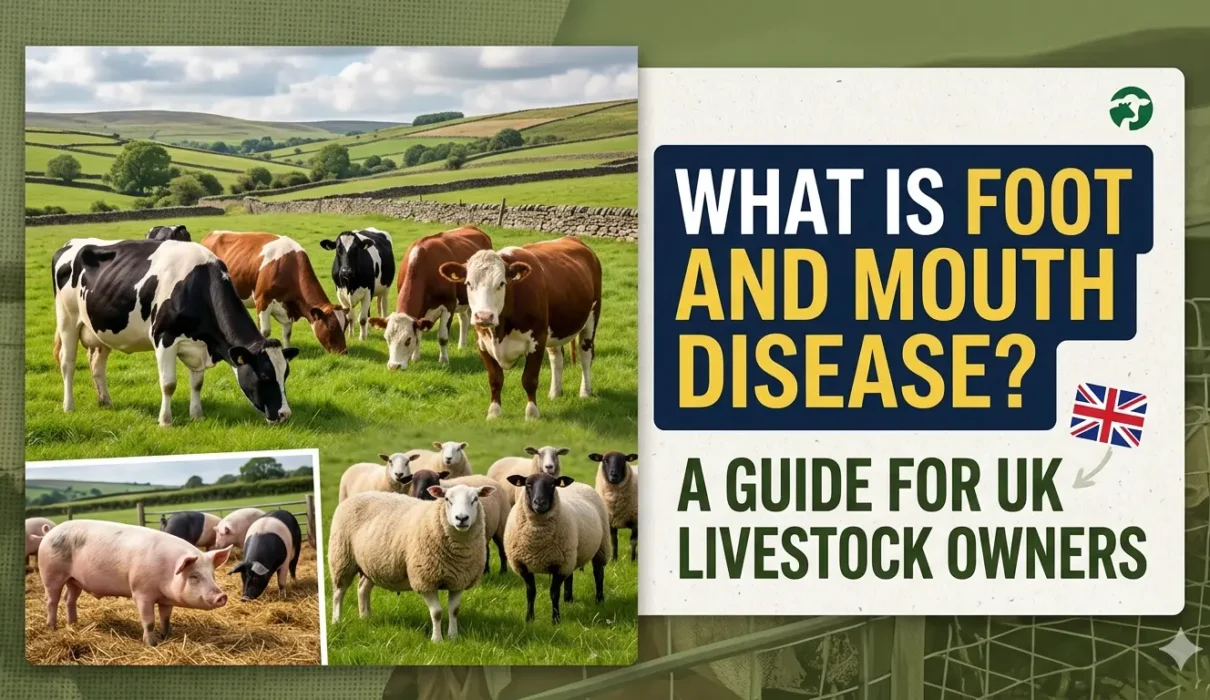
What is foot and mouth disease in simple terms? It is a severe, highly contagious viral illness that affects cloven-hoofed animals. This includes cows, pigs, sheep, goats, and deer.
The disease causes painful blisters to form on an animal’s mouth, hooves, and teats. These blisters eventually burst, leaving raw sores that make it painful for the animal to walk or eat.
While it is rarely fatal in adult animals, it causes significant weight loss and drops in milk production. Young animals are much more vulnerable and can die rapidly from the infection.
What virus causes foot and mouth disease in animals?
If you want to know what virus causes foot and mouth disease in animals, science points to the Picornaviridae virus family. Specifically, it belongs to the Aphthovirus genus.
The Picornaviridae virus is incredibly resilient. It can survive in the environment for months under the right conditions, particularly in cold and damp weather.
There are seven different types of this virus found around the world. Because the strains mutate easily, creating a single, universal vaccine is incredibly challenging.
Main causes of foot and mouth disease
The main causes of foot and mouth disease usually involve direct exposure to an infected animal. The virus is present in breath, saliva, mucus, milk, and faeces.
When healthy livestock mix with sick animals, the virus spreads rapidly. This often happens at markets, during transport, or when animals share grazing land.
Indirect contact is another major cause. The virus can hitch a ride on farming equipment, vehicles, clothing, and footwear. Even wind can carry the virus for miles, spreading it from one farm to the next.
Common symptoms of foot and mouth disease
Spotting the illness early can save entire herds. The common symptoms of foot and mouth disease include:
- Sudden high fever, which often drops after a few days.
- Painful blisters and sores on the tongue, lips, gums, and hooves.
- Excessive drooling or smacking of the lips.
- Severe lameness or a reluctance to stand and move.
- A sudden drop in milk yield for dairy cows.
- Loss of appetite and noticeable weight loss.
- Changes in normal behaviour, such as isolation from the herd.
If you suspect any of these signs, you must report them immediately as it is a notifiable disease in the UK.
How it spreads across farms
The speed at which the virus moves is frightening. An infected pig can produce millions of infectious virus particles every day.
Because the virus survives on contaminated surfaces, a visitor wearing dirty boots can easily carry it onto a clean farm. Tractors and trailers are also common culprits.
In some cases, feeding pigs unheated food waste containing infected meat scraps can introduce the virus. This practice is now strictly illegal in the UK to protect livestock.
Can humans get foot and mouth disease from animals?
A frequent concern among the public is: can humans get foot and mouth disease from animals? The short answer is no, human infection is incredibly rare.
When humans do catch it, the symptoms are very mild, resembling a slight tingle or minor sore throat. It is not a threat to public health.
People often confuse it with Hand, Foot, and Mouth Disease. According to the NHS guidelines, that is a completely different illness affecting young children, and it cannot spread between humans and animals.
Treatment of foot and mouth disease
Currently, the treatment of foot and mouth disease is virtually non-existent. There is no cure for the virus once an animal is infected.
Because the disease is so infectious, treating individual animals is considered too risky. It would allow the virus to continue spreading to neighbouring farms.
Instead, the UK relies on an immediate culling policy. If an outbreak occurs, infected herds and those exposed to the virus are humanely destroyed to halt the spread.
Prevention methods and biosecurity
Good biosecurity is the best defence. Farmers must strictly control who and what enters their property.
Vehicles should be disinfected upon entry and exit. Visitors must wear clean, farm-specific protective clothing and use strong footbaths.
Vaccination is sometimes used globally, but the UK currently bans routine vaccination. This ensures the country maintains its valuable “disease-free” trading status.
The UK-specific context
The 2001 outbreak cost the UK economy billions and led to the culling of over six million animals. Since then, the government has introduced rigorous safeguarding protocols.
Farmers must keep detailed records of all animal movements. You can read the full legal requirements for livestock movements on the official GOV.UK agriculture portal.
Anyone suspecting an outbreak must call the Animal and Plant Health Agency (APHA) immediately. Failing to report suspected cases is a serious criminal offence.
Frequently Asked Questions
What is foot and mouth disease?
Foot and mouth disease is a highly contagious viral illness affecting cloven-hoofed animals like cattle, sheep, and pigs. It causes painful blisters on their mouths and feet, leading to lameness, weight loss, and severe economic impacts on the farming industry.
What virus causes foot and mouth disease in animals?
The disease is caused by an Aphthovirus, which belongs to the Picornaviridae virus family. This resilient virus can survive for long periods in the environment, making it incredibly difficult to eliminate once an outbreak begins.
What are the main causes of foot and mouth disease spreading?
The disease spreads primarily through direct contact with infected animals. It also spreads indirectly via contaminated vehicles, farming equipment, clothing, or footwear. Wind can even carry the airborne virus over long distances to nearby farms.
Can humans get foot and mouth disease from animals?
It is extremely rare for humans to catch foot and mouth disease from animals. It is not a public health threat and should not be confused with Hand, Foot, and Mouth Disease, which is a separate human virus.
How do you treat foot and mouth disease?
There is no cure or standard treatment for foot and mouth disease. To stop the virus from spreading rapidly, infected and exposed animals are humanely culled under strict government protocols to protect the wider agricultural community.
Safeguarding the Future of UK Livestock
Protecting our countryside requires constant vigilance. Knowing what foot and mouth disease looks like is the first step in keeping UK farms safe.
By maintaining strict biosecurity measures and understanding the main causes, farmers can help prevent another devastating outbreak. Every visitor, vehicle, and animal movement matters.
If you own livestock or keep cloven-hoofed pets, always stay informed about the latest government health warnings. Rapid reporting and high hygiene standards remain our strongest weapons against this virus. Follow UKHealthInsight for more tips!

Dr. Samuel Kemp is a Consultant Physician at the Royal Brompton Hospital with specialist expertise in respiratory medicine, including lung cancer, COPD, and advanced interventional bronchoscopy.