
 By
By Taiwan’s Food and Drug Administration (TFDA) has ordered the recall of 87,360 tablets from a specific batch of Beniel F.C. Tablets 8 mg after the medicine failed a required dissolution-quality test. The regulator said the affected batch may not work as intended, raising concerns about its quality and effectiveness.
The recall concerns a single batch – batch number 2KA31 – of benidipine hydrochloride 8 mg tablets manufactured by Synmosa Biopharma Corp. Health officials stressed that the action is limited to this batch and does not automatically apply to all Beniel F.C. tablets or to other blood pressure medicines, such as valsartan, losartan or amlodipine, which have been involved in separate international recalls for different reasons.
Why Has Taiwan Recalled 87,360 Blood-Pressure Tablets?
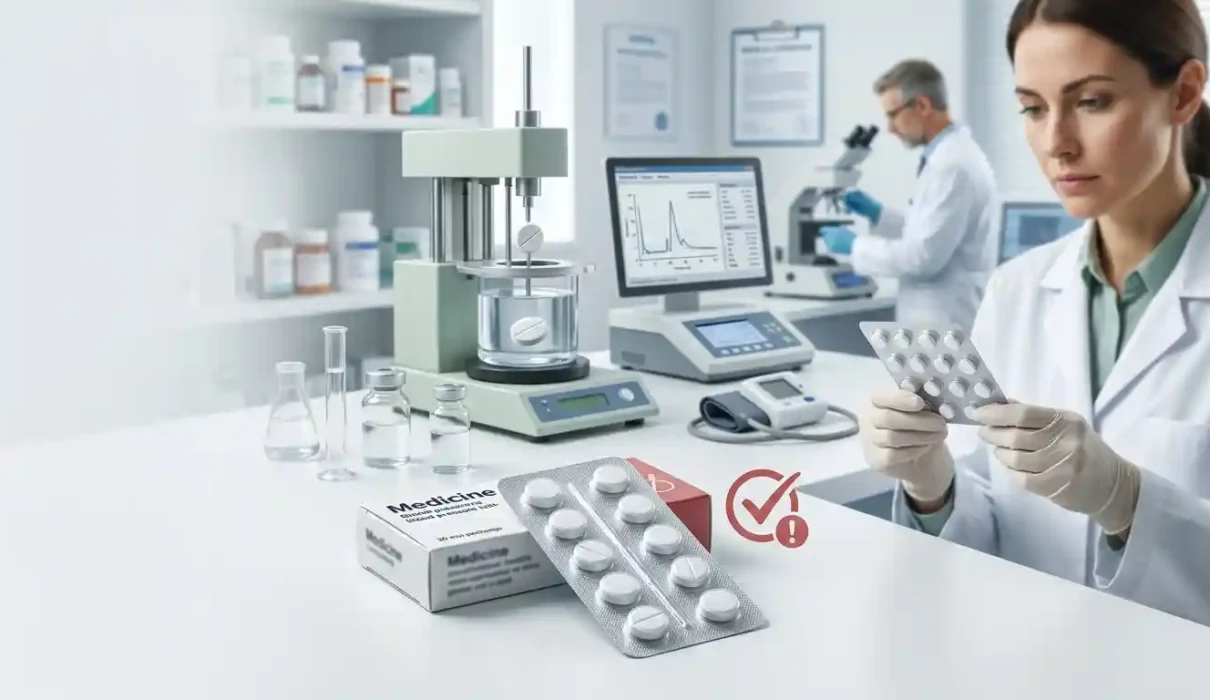
The problem was first identified during a stability test of the drug, which found that tablets from batch 2KA31 failed to meet required dissolution standards. In simple terms, a dissolution test checks how a tablet breaks down and releases its active ingredient under controlled laboratory conditions.
TFDA official Liu Chia-ping said the failed test could affect the medicine’s quality and overall effectiveness. The recall was initiated after the manufacturer notified the regulator about the problem, according to the original Health and Me coverage of the TFDA action.
This does not mean that all Beniel F.C. Tablets are defective. The regulator said the recall is limited to batch 2KA31. The manufacturer has been ordered to complete the recall by August 24 and submit an investigation report along with corrective and preventive measures for future production.
What Is Beniel F.C. 8 mg Used For?
Beniel F.C. Tablets 8 mg contains benidipine hydrochloride, which belongs to a group of medicines called calcium channel blockers. These medicines help lower blood pressure by relaxing and widening blood vessels. This enables blood to flow more easily and reduces pressure against artery walls.
The medicine is used to treat high blood pressure, also known as hypertension. Like other prescription medicines for blood pressure, it should be used according to a doctor’s prescription and is not intended for self-adjustment. Only include additional approved uses if verified by authoritative medical information.
What Went Wrong With the Recalled Tablets?
Every tablet medicine must pass several quality tests before and after it reaches the market. Dissolution is one of the most important quality control tests.
A dissolution test measures how quickly and completely a tablet releases its active ingredient in a liquid that mimics conditions in the body. The test is conducted under controlled conditions for temperature, acidity and stirring speed. For a tablet to work properly, it must disintegrate appropriately, release the active ingredient at the expected rate, and allow the active ingredient to become available for absorption.
If a tablet fails to meet dissolution specifications, it raises concerns about whether the active ingredient is released as intended. This can affect consistency between tablets and may affect therapeutic performance. In this case, batch 2KA31 failed to meet the required dissolution standards during stability testing – a routine test that checks whether a medicine continues to meet quality specifications over time while in storage.
Could the Problem Affect How the Medicine Works?
A failed dissolution test does not automatically mean every tablet is ineffective, toxic or contaminated, but it may affect effectiveness. If the active ingredient is not released into the body as expected, the medicine may not deliver its intended therapeutic effect. For a blood pressure medicine, that could mean blood pressure is not controlled as well as it should be, even though the patient has taken the tablet as prescribed.
It is important to use cautious language. Officials said the batch may affect effectiveness, could mean the medicine does not work as intended, and raised concerns about the product’s quality and effectiveness. They have not reported confirmed patient harm linked to this batch, nor have they described the tablets as poisonous or contaminated. The issue is a quality-control failure, not a toxicity alert.
Which Tablets Are Affected?
| Detail | Information |
|---|---|
| Medicine | Beniel F.C. Tablets 8 mg |
| Active ingredient | Benidipine hydrochloride |
| Batch | 2KA31 |
| Manufacturer | Synmosa Biopharma Corp. |
| Quantity recalled | 87,360 tablets |
| Reason | Failed dissolution standards |
| Recall deadline | August 24 |
Patients can check the batch number on their medicine packaging. Only tablets labelled as batch 2KA31 are subject to this recall. The recalled quantity refers to tablets, not necessarily 87,360 individual patients.
Are Other Batches Affected?
According to the TFDA, there is no immediate concern of medication shortage. Other batches of Beniel F.C. Tablets 8 mg are not affected, and the manufacturer has sufficient inventory. Production of the drug will also not be stopped.
Taiwan News reported that two other products containing the same active ingredient are also authorised for sale in Taiwan, which helps maintain supply options. Officials emphasised that the concern is focused on one specific batch, rather than the entire Beniel F.C. product line. Patients should not assume that all Beniel F.C. tablets have been recalled.
What Should Patients Taking the Medicine Do?
The TFDA advised people who are concerned about their prescription to speak with their doctor about whether an alternative medicine is necessary. Patients should not stop their blood pressure medication on their own, as uncontrolled hypertension carries its own risks.
General safety information for anyone who thinks they may have the affected batch:
- Check the medicine packaging for the batch number 2KA31 and the name Beniel F.C. Tablets 8 mg.
- Do not stop taking your medicine abruptly without professional advice.
- Do not double the dose, change dosage, or switch to another medicine yourself.
- Contact your pharmacist or doctor for advice and show them the packaging.
- If your doctor confirms you have the recalled batch, they can advise on a replacement or alternative prescription.
In the UK or other countries, this specific batch recall is specific to Taiwan’s market and does not automatically affect medicines supplied elsewhere, but the principle of checking batch numbers and seeking professional advice applies generally.
Does This Mean the Medicine Is Dangerous?
It is important to distinguish between different types of drug recalls. A quality-control recall means the medicine fails to meet a required quality specification, such as dissolution. This may affect how well it works. A contamination recall means the medicine contains an unintended impurity. A toxicity concern means the medicine itself is harmful.
This Taiwan recall is in the first category. A dissolution failure does not automatically mean the medicine is toxic, contaminated or that patients have definitely been harmed. The regulator’s concern is that the batch may not deliver the active ingredient as intended, which could make it less effective. That is why regulators act even when there is no confirmed patient injury.
What Happens Next?
The manufacturer has been ordered to complete the recall by August 24 and submit an investigation report along with corrective and preventive measures for future production. This will typically include investigating why batch 2KA31 failed dissolution, reviewing manufacturing parameters, formulation and storage conditions, implementing corrective actions, and providing evidence that other batches meet all specifications.
The TFDA will review the report before deciding on further regulatory actions. Officials said production will not be stopped and that sufficient inventory exists for other batches.
Key Takeaways
- Taiwan FDA ordered recall of 87,360 tablets of Beniel F.C. Tablets 8 mg, batch 2KA31, made by Synmosa Biopharma Corp.
- Reason: batch failed to meet required dissolution standards during stability testing.
- Benidipine hydrochloride is a calcium channel blocker used to treat high blood pressure.
- A dissolution failure may affect how the tablet releases its active ingredient and could mean the medicine does not work as intended.
- The recall is limited to batch 2KA31; other batches are reported as unaffected.
- No immediate shortage concern – other batches and two other products with same active ingredient remain available.
- Patients should check packaging and speak to a pharmacist or doctor, and should not stop medication on their own.
Conclusion
The Taiwan blood pressure medicine recall concerns a specific batch of Beniel F.C. 8 mg tablets that failed a dissolution test – a routine quality check that ensures tablets release their active ingredient properly. While 87,360 tablets are being recalled, officials have been clear that other batches are not affected and there is no immediate shortage.
For patients, the key message is to check batch numbers calmly and seek professional advice if concerned, rather than stopping treatment independently. The case illustrates why dissolution testing matters and why regulators act quickly when a batch does not meet quality standards.
This article is for general information only and is not a substitute for medical advice. If you are taking the affected medicine or are concerned about a medicine recall, speak with a doctor or pharmacist before making changes to your treatment.

Dr. Samuel Kemp is a Consultant Physician at the Royal Brompton Hospital with specialist expertise in respiratory medicine, including lung cancer, COPD, and advanced interventional bronchoscopy.