
 By
By Walk into almost any kitchen in the UK, and you will likely find a familiar blue-green or orange tin sitting in the cupboard. Baked beans are a British staple, famously poured over toast, served alongside a fry-up, or even eaten straight out of a bowl.
But beyond their convenience and comforting taste, many people wonder about the actual health value of this beloved food. Are they a secret superfood, or just a sugary snack in disguise?
Understanding baked beans nutrition is essential if you want to make informed choices about your diet. This guide breaks down exactly what you consume when you crack open a tin, exploring the benefits, potential downsides, and how they fit into a healthy lifestyle.
What is baked beans nutrition?
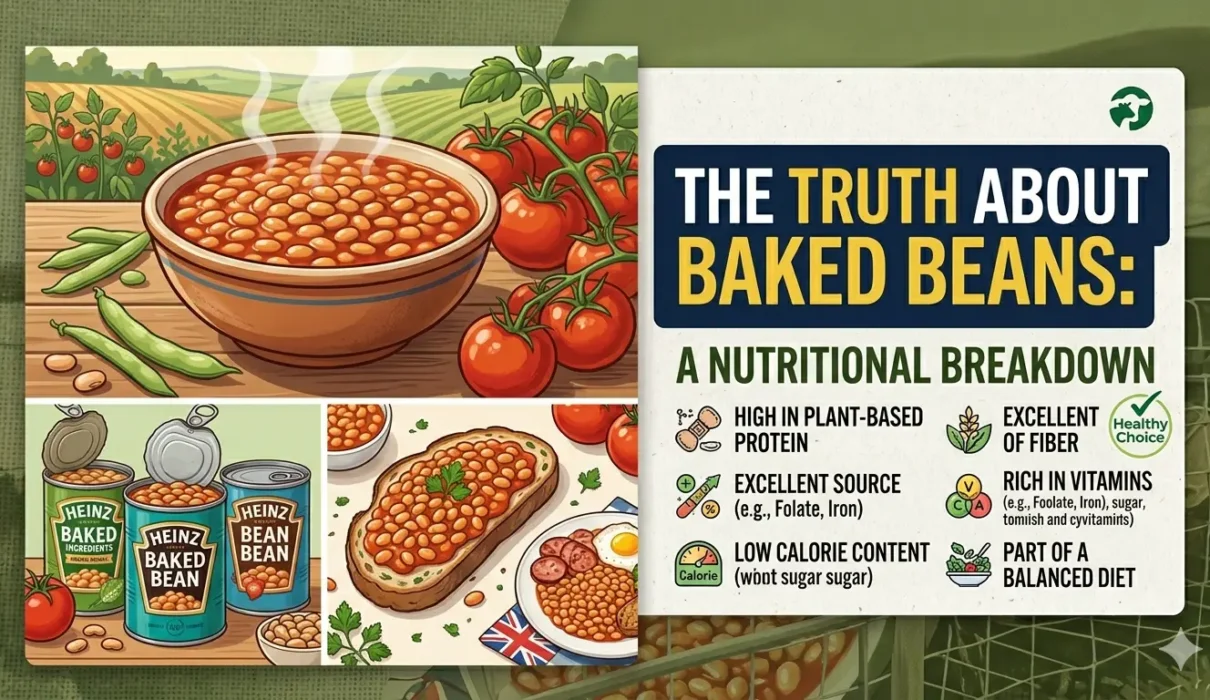
When we talk about baked beans nutrition, we are looking at the macronutrients (protein, carbohydrates, and fats) and micronutrients (vitamins and minerals) packed into a standard portion.
The main ingredient in baked beans is the haricot bean, a type of legume. Legumes are widely recognised by health experts as excellent sources of plant-based nutrition. However, because baked beans are traditionally soaked in a tomato-based sauce, the nutritional profile changes based on how that sauce is prepared.
Baked beans nutrition information
A standard half-tin portion (around 200g) of classic baked beans provides a solid nutritional baseline. While exact numbers vary slightly between brands, a typical serving contains:
- Calories: 150 – 170 kcal
- Protein: 9g – 10g
- Carbohydrates: 20g – 25g
- Fibre: 7g – 9g
- Fat: Less than 1g
This baked beans nutrition information reveals a food that is naturally low in fat while offering a substantial amount of dietary fibre and plant-based protein. The carbohydrates come from both the beans themselves and the sugars added to the sauce.
What are the nutrients in baked beans?
If you are wondering exactly what are the nutrients in baked beans beyond the basic macros, you will be pleased to know they are rich in several essential vitamins and minerals.
Haricot beans are naturally packed with iron, zinc, and potassium. Iron is vital for transporting oxygen around the body, while potassium helps maintain healthy blood pressure levels.
Additionally, the tomato sauce contributes a healthy dose of lycopene, a powerful antioxidant. Baked beans also contain B vitamins, particularly folic acid, which supports cell function and helps reduce fatigue.
Baked beans nutrition benefits
The baked beans nutrition benefits are surprisingly vast, especially for a humble tinned food. First and foremost, the high fibre content is fantastic for digestive health.
According to the NHS guidelines on fibre, most adults in the UK do not eat enough of it. A single portion of baked beans can provide roughly a third of your recommended daily fibre intake, helping to keep your digestive system regular.
Furthermore, the combination of complex carbohydrates and protein provides a slow, steady release of energy. This helps stabilise blood sugar levels and prevents the mid-afternoon energy crashes associated with highly processed snacks.
Are baked beans nutritious?
So, are baked beans nutritious overall? Yes, they absolutely can be. They count as one of your five-a-day, which makes them an incredibly accessible way to increase your vegetable intake.
They provide a brilliant, affordable source of plant-based nutrients that support heart health and muscle maintenance. However, the nutritional value heavily depends on the specific brand and product lines you choose, as the sauce can sometimes harbour hidden additives.
Are baked beans good for weight loss?
A common question among dieters is: are baked beans good for weight loss? The answer is generally yes, provided they are eaten in moderation.
The high protein and fibre content make them highly satiating. Eating foods that keep you feeling full for longer can prevent mindless snacking and help you maintain a calorie deficit.
However, there is a catch. Traditional tins can contain a fair amount of added sugar. If you are tracking your macros for weight loss, opting for reduced-sugar or no-added-sugar varieties is a smart move to keep empty calories at bay.
Baked beans as part of high protein foods
When building a diet around high protein foods, meat and dairy usually take centre stage. However, baked beans offer a fantastic vegetarian and vegan alternative.
While they do not contain as much protein per serving as a chicken breast or a protein shake, pairing baked beans with wholemeal toast creates a “complete protein.” This means you get all the essential amino acids your body needs to build and repair tissues.
Compared to other plant-based high protein foods like lentils or chickpeas, baked beans are often more convenient and require zero prep time, making them an easy post-workout meal.
What the internet says: baked beans nutrition reddit
If you search for “baked beans nutrition reddit”, you will find a surprisingly active debate among fitness enthusiasts and budget meal preppers.
Most users on nutrition forums praise baked beans for their affordability and high fibre content. Many bodybuilders mention using them as a cheap bulking food or a quick carbohydrate source before a heavy lifting session.
The main criticism raised in these online communities revolves around the sugar and salt content in standard tins. The consensus usually leans towards buying low-sugar versions or rinsing tinned haricot beans and making a homemade tomato sauce to control the ingredients entirely.
Potential downsides to consider
Despite the many positives, there are a few downsides to traditional UK baked beans. The primary concern is the salt (sodium) and sugar content.
A standard half-tin can contain up to 9g of sugar (equivalent to over two teaspoons) and around 1.2g of salt. The British Heart Foundation recommends keeping salt intake below 6g a day, meaning a large portion of beans could take up a significant chunk of your daily allowance.
For individuals managing conditions like high blood pressure or diabetes, checking the label and choosing healthier varieties is crucial.
Tips to make baked beans healthier
You do not need to banish baked beans from your diet to stay healthy. Here are a few simple ways to maximise their nutritional value:
- Choose reduced-sugar and salt varieties: Most major supermarkets offer versions with up to 50% less sugar and salt.
- Watch your portion sizes: Stick to half a tin rather than consuming the whole thing in one sitting.
- Pair them wisely: Serve them over wholemeal sourdough rather than white bread, and skip the heavy layers of butter.
- Add extra vegetables: Stir in some spinach, diced peppers, or mushrooms while heating them up to boost the vitamin content.
Frequently Asked Questions
Are baked beans good for you?
Yes, baked beans are good for you. They are high in protein and fibre, count as one of your five-a-day, and contain essential minerals like iron and zinc. Opting for low-sugar varieties makes them even healthier.
How much protein is in a tin of baked beans?
A standard 400g tin of baked beans contains approximately 18 to 20 grams of protein. A typical half-tin serving provides around 9 to 10 grams, making them a great plant-based protein source.
Do baked beans count as one of your five-a-day?
Yes, half a tin (around 200g) of baked beans counts as one of your five-a-day. Legumes are vegetables, and the tomato sauce also contributes to your daily intake.
Are baked beans high in sugar?
Standard baked beans can be high in sugar, with a half-tin containing up to 9 grams. Choosing “no added sugar” or “reduced sugar and salt” tins significantly lowers this amount.
Can I eat baked beans every day?
You can eat baked beans every day as part of a balanced diet, especially if you choose low-salt and low-sugar varieties. They provide excellent daily fibre, though variety in your diet is always recommended.
Making the Best Choice for Your Plate
Baked beans hold a rightful place in the British diet, not just for their taste, but for their genuine nutritional value. They are an accessible, affordable way to consume more plant-based protein and gut-friendly fibre.
By simply paying attention to the labels and opting for reduced-sugar varieties, you can easily enjoy baked beans as part of a healthy, balanced lifestyle. Next time you fancy beans on toast, you can serve it up knowing exactly what it is doing for your body. Follow UKHealthInsight for more tips!

Dr. Samuel Kemp is a Consultant Physician at the Royal Brompton Hospital with specialist expertise in respiratory medicine, including lung cancer, COPD, and advanced interventional bronchoscopy.