
 By
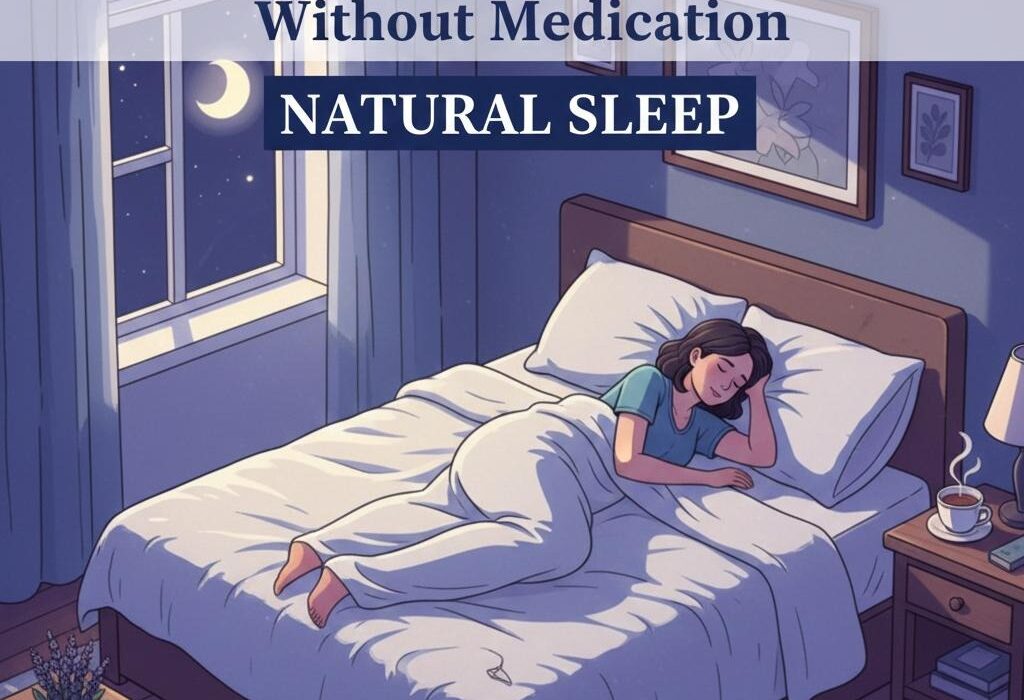
By How you wind down, sleep, and wake up has a huge impact on your mood, focus, and long‑term health. However, daily life practices have made sleep difficult, something many people feel left out on if they don’t take medications for it. Building a consistent, realistic routine can significantly improve sleep naturally without relying on pills or supplements.
Why Your Sleep Quality Matters
Poor sleep is linked to low energy, brain fog, weight gain, and a higher risk of anxiety, depression, and heart disease. Many reasons for poor sleep include irregular bedtimes, late caffeine, blue light at night, stress, and poor bedroom environment. Working on behavior and lifestyle first is the safest long-term strategy.
Step 1: Build a Strong Sleep Hygiene Routine
A sleep hygiene routine is a set of behaviors that prepare your brain and body for rest.
Key steps:
- Go to bed and wake up at the same time every day (even weekends).
- Keep your bedroom cool, dark, and quiet.
- Use your bed only for sleep and intimacy (no work, no scrolling).
- Avoid heavy meals, nicotine, and alcohol close to bedtime.
This better sleep habits guide trains your brain to associate bed with sleep, making it easier to drift off and stay asleep.
Step 2: Make a nighttime routine to help you relax.
A regular night practice for relaxing is like a “bridge” between the day and sleep.
Ideas (30 to 60 minutes before bed):
- Turn down the lights and use soft lighting.
- Instead of screens, read a book.
- Light stretching, gentle yoga, or breathing techniques like 4-7-8 breathing might help.
- At a low volume, listen to peaceful music, nature noises, or a podcast about sleep.
The idea is to lower your stress hormones, slow down your thinking, and tell your body that it’s okay to relax.
Step 3: Use Natural Sleep Aids with Caution
When used with healthy habits, these natural sleep aids can help:
- Chamomile or passionflower tea at night.
- Magnesium from foods like nuts, seeds, and leafy greens can help relax muscles.
- Use lavender smell (in a diffuser or on a pillow) to help you relax.
These should support, not replace, lifestyle changes. Always check with a healthcare professional before using supplements, especially if pregnant, on medication, or with health conditions.
Step 4: Sleep Cycle Improvement Tips
To sync your internal clock and support deeper rest, use these sleep cycle improvement tips:
- Get at least 20–30 minutes of natural daylight in the morning.
- Exercise regularly, but avoid intense workouts within 2–3 hours of bedtime.
- Limit long daytime naps; keep them under 30 minutes and before late afternoon.
- Avoid caffeine after mid‑afternoon (for many, after 2–3 pm).
These habits help your circadian rhythm, making it easier to fall asleep at night and wake up refreshed.
Step 5: Address Reasons for Poor Sleep
Common reasons for poor sleep include:
- Stress, anxiety, racing thoughts.
- Too much screen time (blue light) before bed.
- Irregular schedules (shift work, frequent all‑nighters).
- Underlying conditions like sleep apnoea, chronic pain, depression, or medication side effects.
If snoring, gasping during sleep, or insomnia lasts more than a few weeks and affects daytime function, speak to a doctor or sleep specialist promptly.
Frequently Asked Questions (FAQs)
How can I improve my sleep naturally without medication?
Focus on consistent bed/wake times, limiting screens and caffeine, and building a calming wind‑down routine. Add gentle exercise, daylight exposure, and a cool, dark bedroom. These behavior changes often improve sleep quality more safely and sustainably than medication for most people.
What is a decent routine for keeping your sleep clean?
A good sleep hygiene regimen includes going to bed and waking up at the same time every day, doing calming things before bed, keeping your bedroom cold, dark, and quiet, and not eating or drinking anything that makes you feel awake or heavy at night. Over time, this teaches your body to know when it’s time to sleep, which makes it easier to fall asleep.
What are the key things that make it hard to sleep?
Stress, worry, unpredictable schedules, late-night caffeine or alcohol, large meals at night, too much screen time, and uncomfortable sleeping conditions are all common causes. Medical issues like sleep apnoea, restless legs, chronic pain, or mood disorders can also disrupt sleep and should be evaluated.
Do natural remedies for sleep really work?
Some people find benefits from herbal teas, magnesium, relaxation techniques, or aromatherapy, especially when combined with good sleep habits. However, they are not magic fixes and may not work for everyone. Lifestyle changes and addressing underlying issues tend to have stronger, more consistent effects.
When should I see a doctor about sleep problems?
See a doctor if you have trouble falling or staying asleep at least three nights a week for more than a month, feel very sleepy in the day, or if others notice loud snoring, choking, or pauses in breathing during sleep. Sudden changes in sleep linked to mood or health changes also warrant medical advice.
The Final Say
Improving sleep is less about quick fixes and more about consistent, small changes. A deliberate sleep hygiene routine, calming night routine for relaxation, and attention to sleep cycle improvement tips can dramatically improve sleep naturally and support long‑term health. Follow UKHealthInsight for wealthy tips on healthy topics!