
 By
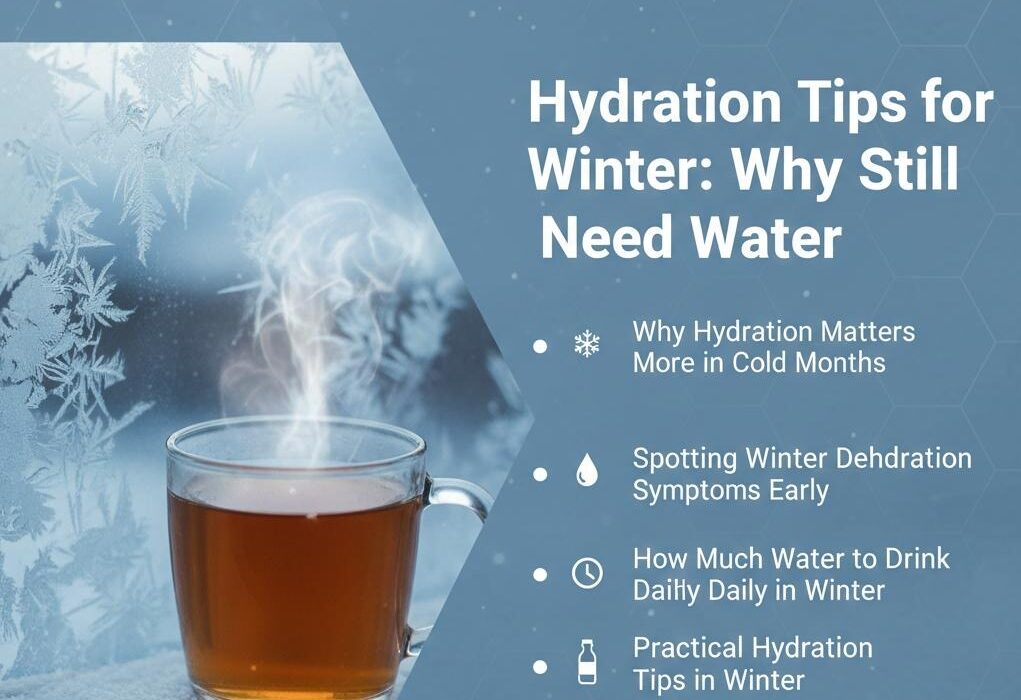
By Winter provides warm sweaters and hot cocoa, but it also presents the risk of dehydration because of dry air and interior heating. Winter hydration is really important, but people often forget about it because thirst signals are less in cold temperatures. This 2026 guide gives you useful advice for being healthy and full of energy during the winter.
Why Staying Hydrated Is More Important in the Winter
Cold air has less moisture in it, which means that breathing and skin lose fluids without you even noticing. Heated homes make this worse by drying up the nasal passages and making people more likely to get sick. Staying hydrated in the winter keeps your energy up, boosts your immune system, and stops small health problems from getting worse.
Drinking enough water in the winter keeps skin from getting dry, helps digestion slow down after heavy meals, and helps you focus when you’re stressed out around the holidays. Recent trends in wellness put a lot of stress on fluids as a key part of staying healthy over the winter.
Recognising the Early Signs of Winter Dehydration
The signs of dehydration in the winter are different from the visible thirst in the summer. Be on the lookout for dry lips, chapped skin, constant tiredness, headaches, and black urine. These are signs that modest deficiencies are getting worse over time.
Dizziness when standing, constipation, or brain fog are more serious indicators. Indoor settings hide these signs, so checking things like the colour of your urine (aim for pale yellow) is an important part of winter wellness advice.
How Much Water to Drink Daily in Winter
General guidelines suggest 2.7 liters (11 cups) for women and 3.7 liters (15 cups) for men daily, including all fluids and food sources. Adjust up for exercise, altitude, or illness—how much water to drink daily varies by 20-30% in dry winters.
Track intake via apps or marked bottles. Hydration tips in winter include sipping consistently rather than gulping, targeting half your body weight in ounces as a simple rule.
Practical Hydration Tips in Winter
Incorporate these easy hydration tips in winter for seamless habits:
- Carry a thermal bottle filled with room-temperature or warm water that is easier to sip than ice-cold water in chilly temps.
- Eat water-rich foods like oranges, soups, and steamed veggies, contributing 20-30% of daily needs.
- Set phone reminders every 2 hours to drink 8 ounces.
- Flavor water with cucumber, ginger, or mint for appeal without calories.
Pair with staying hydrated cold weather by humidifying rooms to 40-60% humidity, reducing respiratory fluid loss.
Warm Water Benefits in Winter
Warm water benefits in winter shine for comfort and efficacy. It soothes throats, aids digestion of rich foods, and encourages higher intake volumes that is up to 20% more than cold water.
Start days with lemon-warm water to kickstart metabolism and vitamin C absorption. Herbal infusions like chamomile count fully toward goals, doubling as calming winter wellness tips.
Hydration Benefits in Winter for Overall Wellness
Hydration benefits in winter ripple across health: bolstered immunity via moist mucous membranes, glowing skin despite dry air, steady moods from balanced brain function, and efficient kidneys flushing toxins.
Athletes note faster recovery and fewer cramps; everyone enjoys better sleep and fewer headaches. Consistent habits yield compounded gains by spring.
| Winter Hydration Boosters | Benefits | Daily Tip |
| Warm herbal teas | Comfort + antioxidants | 2-3 cups post-meal |
| Broth-based soups | Electrolytes + warmth | Lunch staple |
| Citrus-infused water | Vitamin C + flavor | Morning ritual |
| Hydrating fruits (e.g., pears) | Fiber + fluids | Snack choice |
Conclusion: Advanced Staying Hydrated Cold Weather Strategies
For active lifestyles, add electrolytes via low-sugar packets during hikes or workouts; winter sweat is real but invisible. Limit alcohol and caffeine, which act as diuretics, to under 2 servings daily.
Monitor with wearable tech tracking hydration scores. Families: Make infused pitchers a table centerpiece for collective staying hydrated in cold weather.
FAQs
How much water should I drink a day in winter?
Aim for 2.5-3.5 liters total fluids, adjusting for activity. Include teas and soups; pale urine confirms adequacy. Consistent sips beat large volumes for absorption.
What are the signs of dehydration in winter?
Dry skin, fatigue, dark urine, headaches, and dizziness signal issues. Cold masks thirst, so check symptoms daily. Rehydrate gradually; severe cases need medical check.
Does tea count as hydration in winter?
Yes, herbal teas hydrate fully like water, offering warmth and extras like ginger’s anti-nausea. Caffeinated limit to 3 cups; sugars reduce benefits.
Can you get dehydrated in cold weather?
Absolutely yes! Dry air and breathing cause 1-2 liters daily loss. Heaters worsen it indoors. Hydration tips in winter prevent fatigue and illness.
What drinks help with winter hydration?
Warm water, broths, and herbal teas excel. Warm water benefits in winter include better tolerance and aid in digestion. Avoid excess alcohol.
How does dehydration affect winter health?
It weakens immunity, dries skin, and slows cognition. Winter dehydration symptoms like fog, impair daily function. Fluids restore balance quickly.