
 By
By Eating healthy is the way to go. It doesn’t just prompt you to eat healthy, but the mindset shift that follows is what’s worth following a healthy, nutritious diet, one that you can easily make at home.
If you’re looking for a straightforward, balanced diet guide, you’ve come to the right place. Understanding what makes a diet balanced is fundamental to achieving and maintaining good health. In this beginner-friendly guide, we explain the components of a balanced diet, how to plan your meals, and why healthy eating matters.
Most of us opt for fast food and food available outside because it’s readily available. This is wrong. This balanced diet guide will make you start eating healthy again!
What Is a Balanced Diet? Balanced Diet Explained
A balanced diet means consuming foods in the right proportions to supply your body with the essential nutrients it needs daily. It includes a variety of foods from all major groups, ensuring you get adequate energy, vitamins, and minerals.
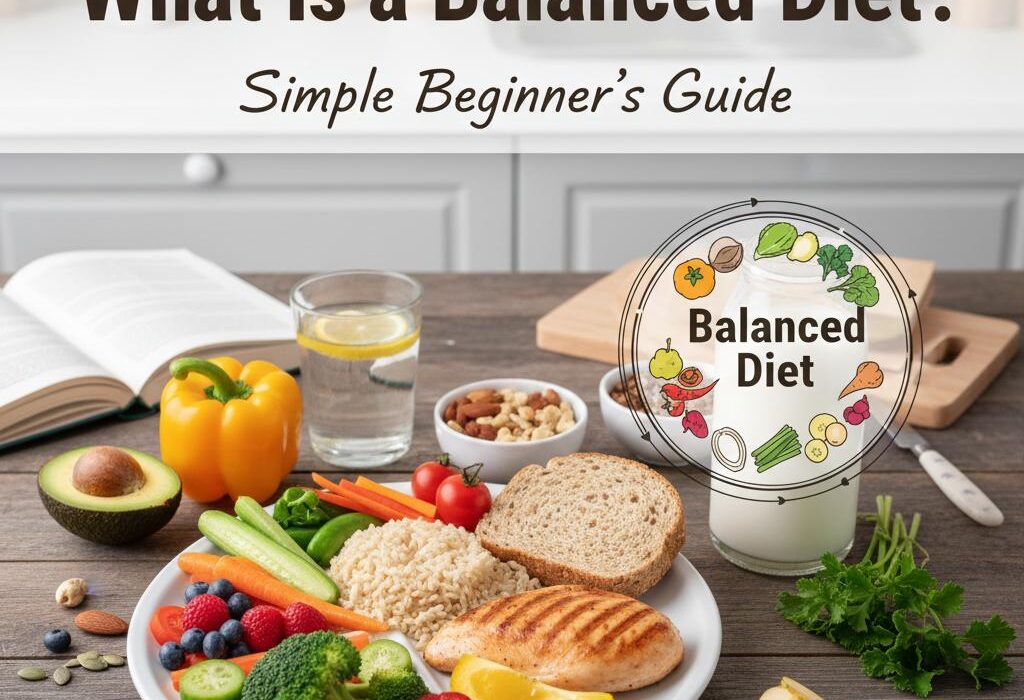
Eating a balanced meal plate typically involves filling half your plate with fruits and vegetables, one quarter with whole grains, and one quarter with protein-rich foods. Including a serving of dairy or fortified alternatives rounds out a nutritionally complete meal.
Nutrition Basics for Beginners: Macronutrients and Micronutrients
To grasp the balanced diet guide, understanding nutrients is key:
- Macronutrients are carbohydrates, proteins, and fats — the primary sources of energy. Carbohydrates should mostly come from whole grains, fruits, and vegetables for lasting energy. Proteins (from lean meats, legumes, or dairy) help build and repair tissues. Healthy fats, such as those from nuts and olive oil, support brain health.
- Micronutrients include vitamins and minerals needed in smaller amounts but are vital for immune function, bone health, and more.
Balancing these nutrients daily ensures you meet your daily recommended nutrients and maintain vitality.
How to Plan Balanced Meals
Planning meals that meet your nutritional needs doesn’t have to be complicated. Here are some practical tips on how to plan balanced meals:
- Use the plate method to visually portion your food groups.
- Include colorful fruits and vegetables at every meal.
- Opt for whole grains like brown rice, oats, or quinoa instead of refined grains.
- Include lean proteins with each meal.
- Incorporate healthy fats in moderation.
- Stay hydrated and limit processed foods high in sugar or salt.
Meal prepping a few days ahead can help reinforce healthy routines for busy lifestyles.
Healthy Eating Guide for Beginners: Simple Habits for Wellbeing
Adopting healthy eating habits is about consistency and making gradual improvements:
- Avoid skipping meals, especially breakfast.
- Listen to your hunger cues and eat mindfully.
- Minimize sugary drinks and opt for water.
- Include fiber-rich foods to aid digestion.
- Enjoy treats occasionally without guilt.
These simple habits for wellbeing pave the way for sustainable health improvements.
Why Adopt a Balanced Diet? Benefits of Healthy Lifestyle Changes
Eating balanced meals offers countless benefits, including:
- Improved energy levels throughout the day
- Better weight management and metabolic health
- Enhanced immune function and disease prevention
- Improved mental clarity and mood stability
- Support for long-term health and wellbeing
By sticking to healthy lifestyle habits like balanced eating, you empower your body and mind for years to come.
Frequently Asked Questions (FAQs)
What does a balanced diet consist of?
A balanced diet combines the right amounts of fruits, vegetables, grains, proteins, and dairy or alternatives to meet nutritional needs.
How can I balance macronutrients in my meals?
Aim for carbohydrates to provide 45-60% of daily calories, proteins about 10-35%, and fats 20-35%, focusing on quality sources.
How many different nutrients should I consume daily?
You should get a wide variety of vitamins, minerals, protein, healthy fats, carbohydrates, and fiber for overall health.
What is the best way to plan balanced meals on a budget?
Choose seasonal produce, buy grains and legumes in bulk, and limit processed foods. Planning meals ahead helps reduce waste.
Is the plate method effective for meal planning?
Yes, the plate method simplifies portion control and food group balance for most people.
Conclusion
This balanced diet guide sets the foundation for a healthier you by focusing on essential food groups and nutrient balance. Whether you’re just starting or looking to fine-tune your nutrition, these basics will help you eat well and feel your best.
For more tips on building long-term health routines and mastering nutrition, keep following UKHealthInsight!